Palacio de Arzobispado de Nueva Segovia
The National Historical Commission records the transfer of the Diocese of Nueva Segovia to Vigan in 1758. UNESCO describes the Arzobispado as an eighteenth-century residence with offices below and living quarters above.
- Published
- Last updated
Palacio de Arzobispado de Nueva Segovia
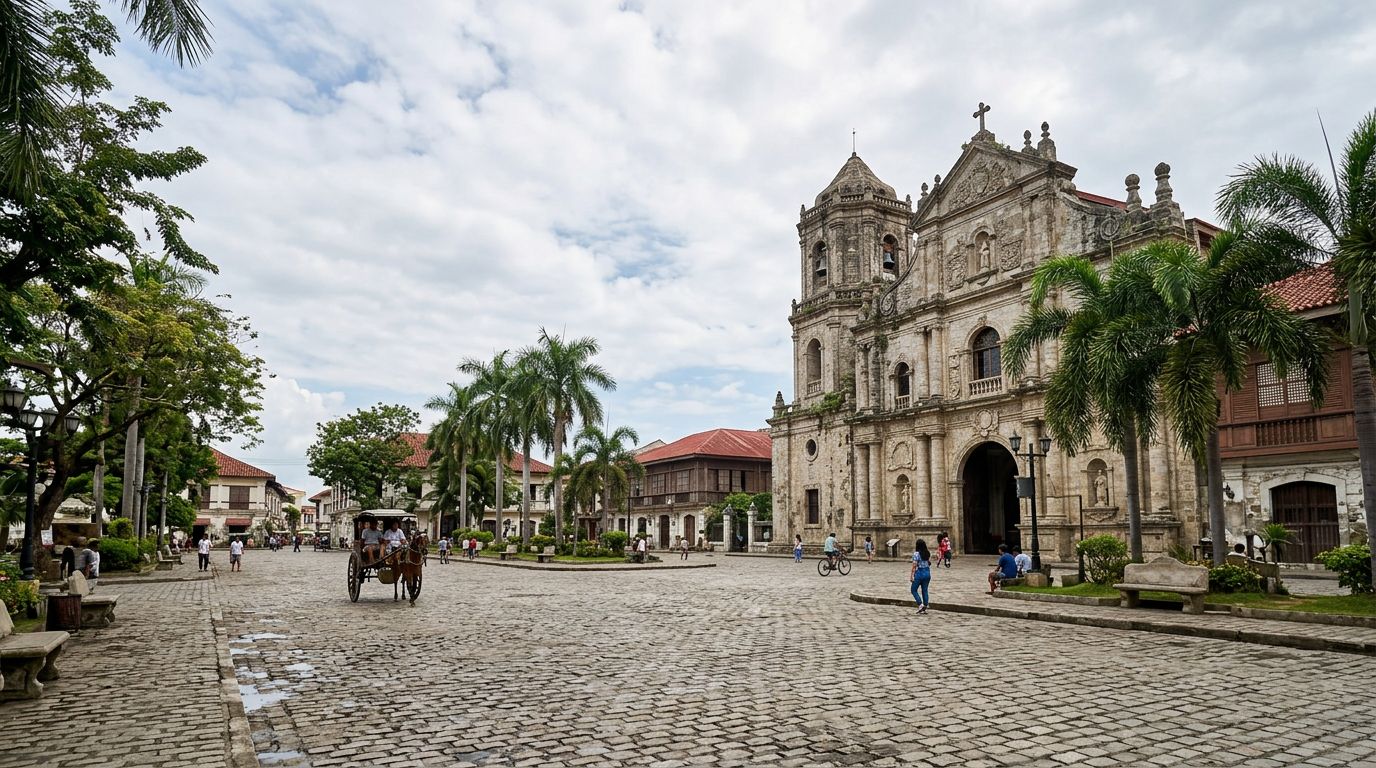
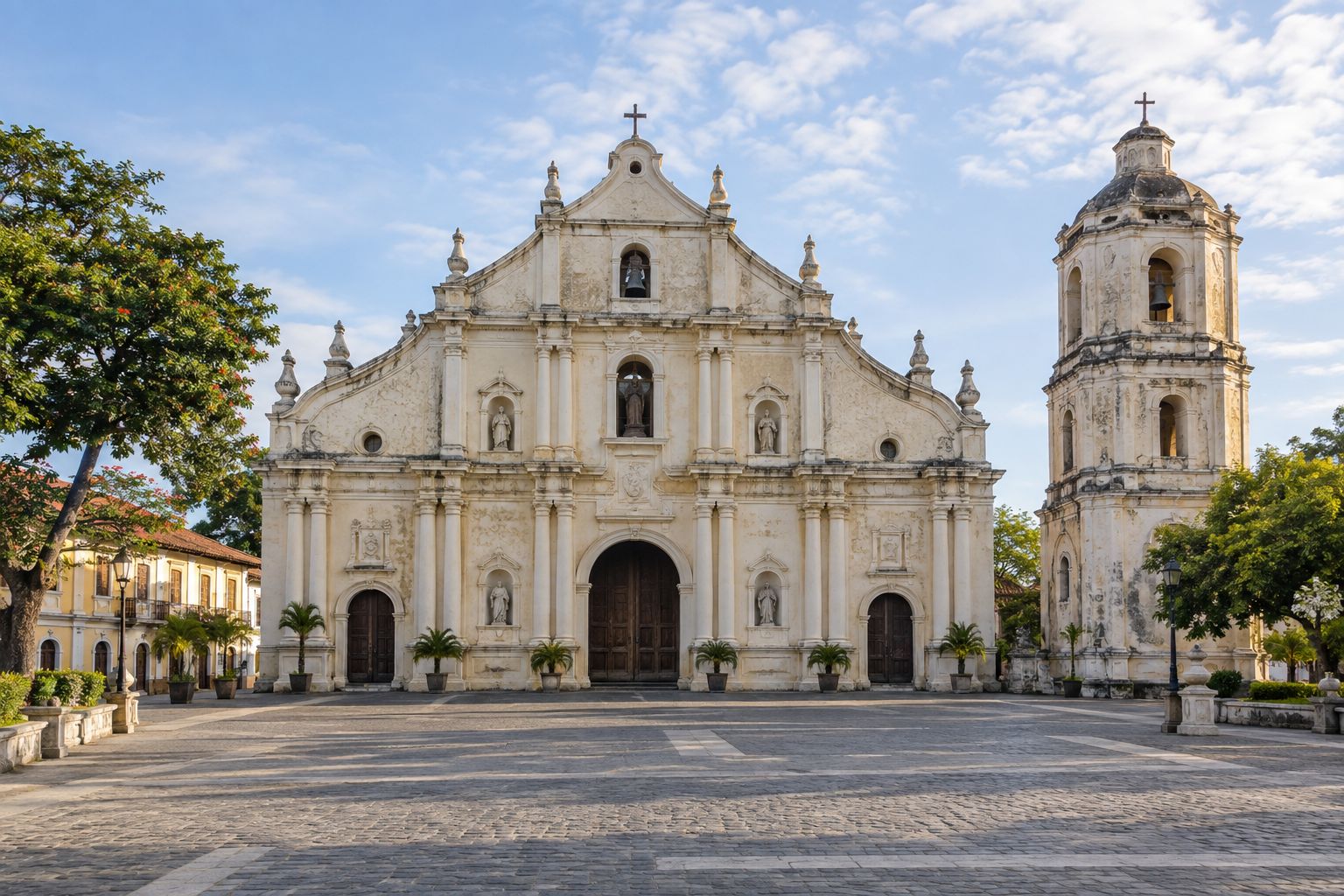
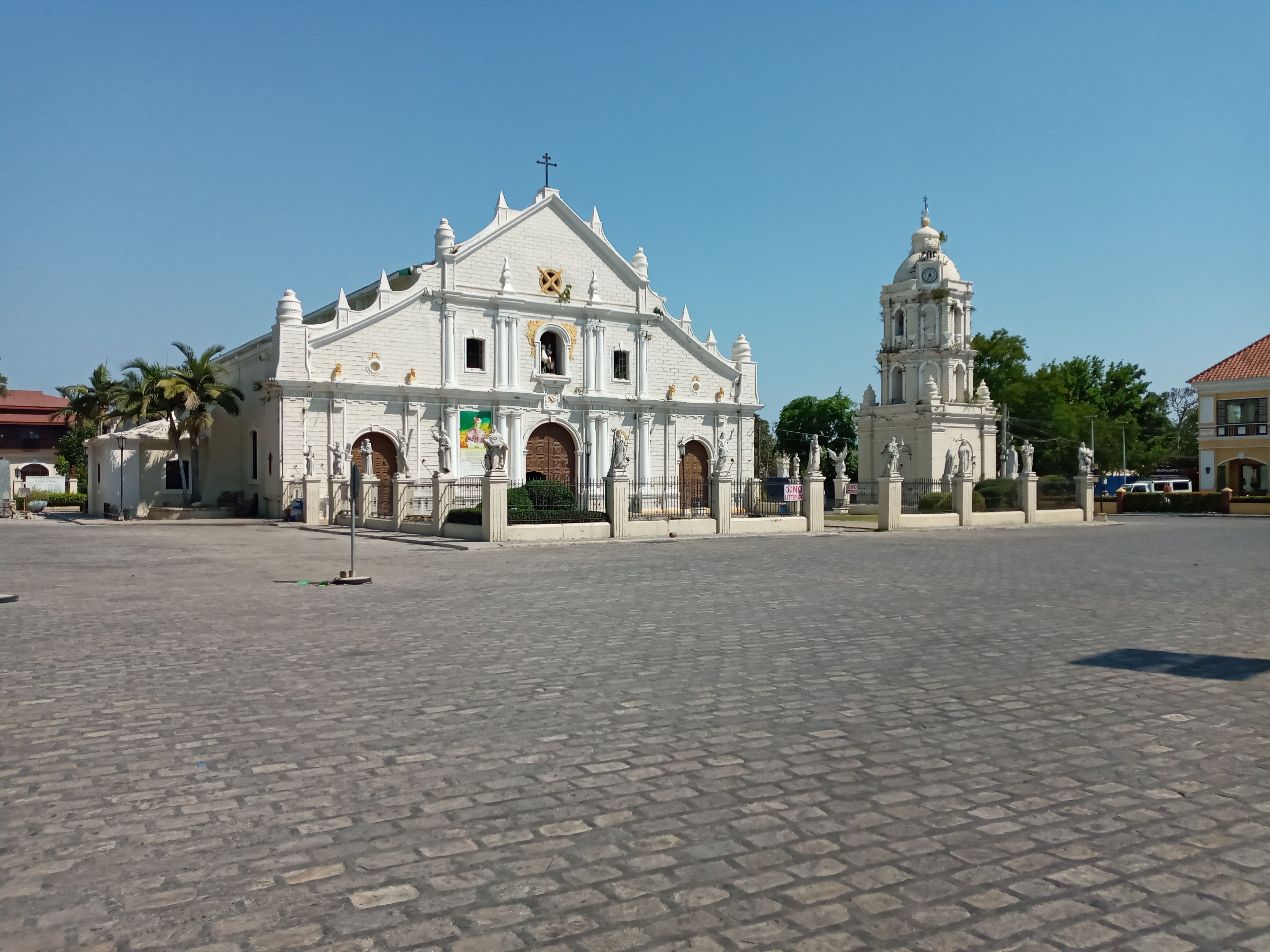
Beside St. Paul’s Cathedral and facing Plaza Salcedo, the Palacio de Arzobispado de Nueva Segovia has served as a residence and center of church administration for generations. Built between 1783 and 1790, it is recognized as the country’s only surviving 18th-century archbishop’s palace. The building is also home to Museo Nueva Segovia, which preserves religious objects and records from across the archdiocese. NHCP Registry, UNESCO nomination dossier, research on the archdiocesan heritage commission
From Lal-lo to Vigan
The Diocese of Nueva Segovia was established in Lal-lo, Cagayan, in 1595. Its seat moved to Vigan in 1758, and the present palace was built between 1783 and 1790. It was repaired in 1824–1826 and housed the ecclesiastical court until 1890, according to its National Historical Commission of the Philippines marker. NHCP Registry
The palace also witnessed periods of political upheaval. Revolutionaries occupied it in 1896 and imprisoned Bishop José Hevia Campomanes. American forces later used it as a garrison in 1899. These changing roles—as residence, administrative center, court, and military post—reflect Vigan’s layered history.
A Palace in the Bahay na Bato Tradition
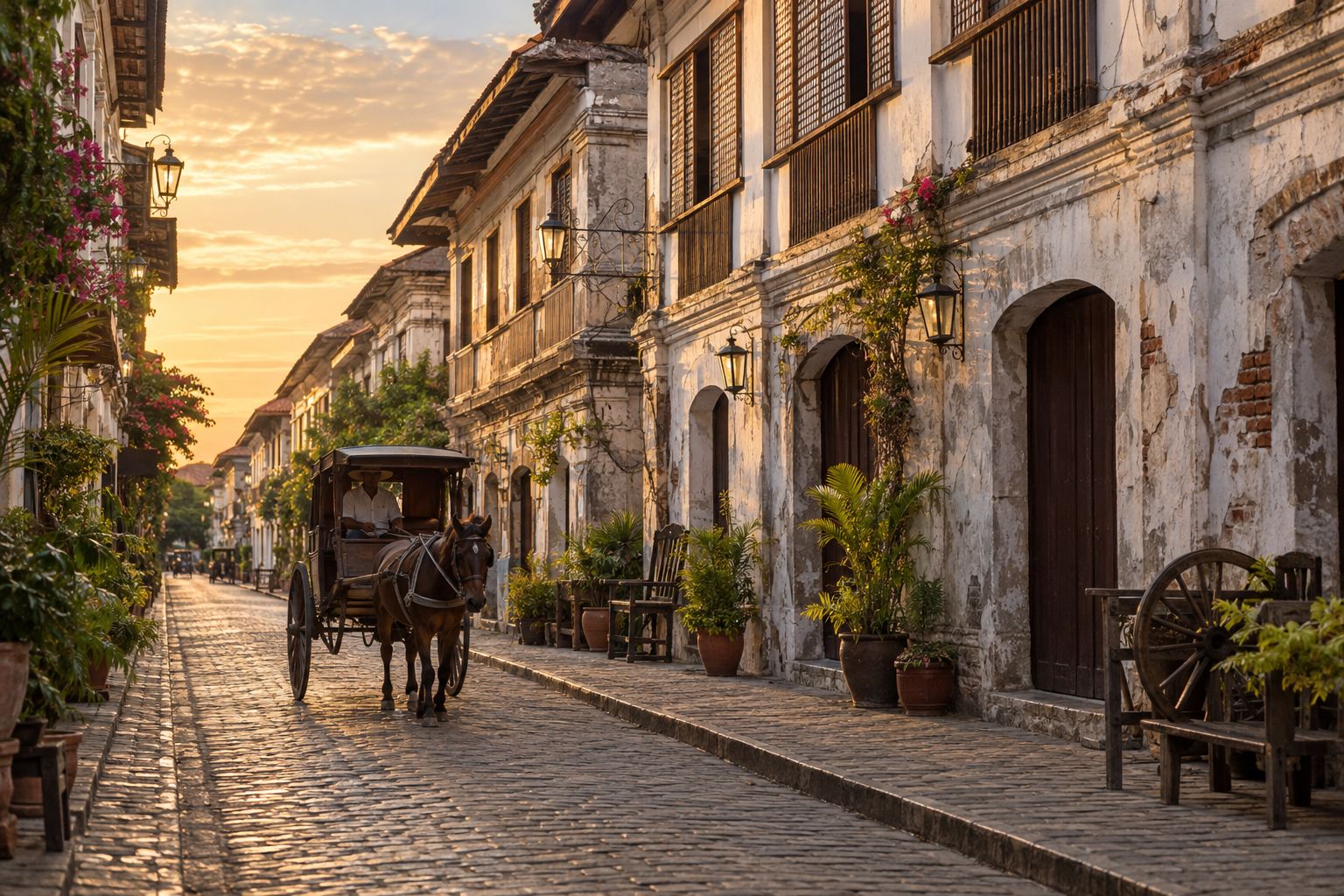
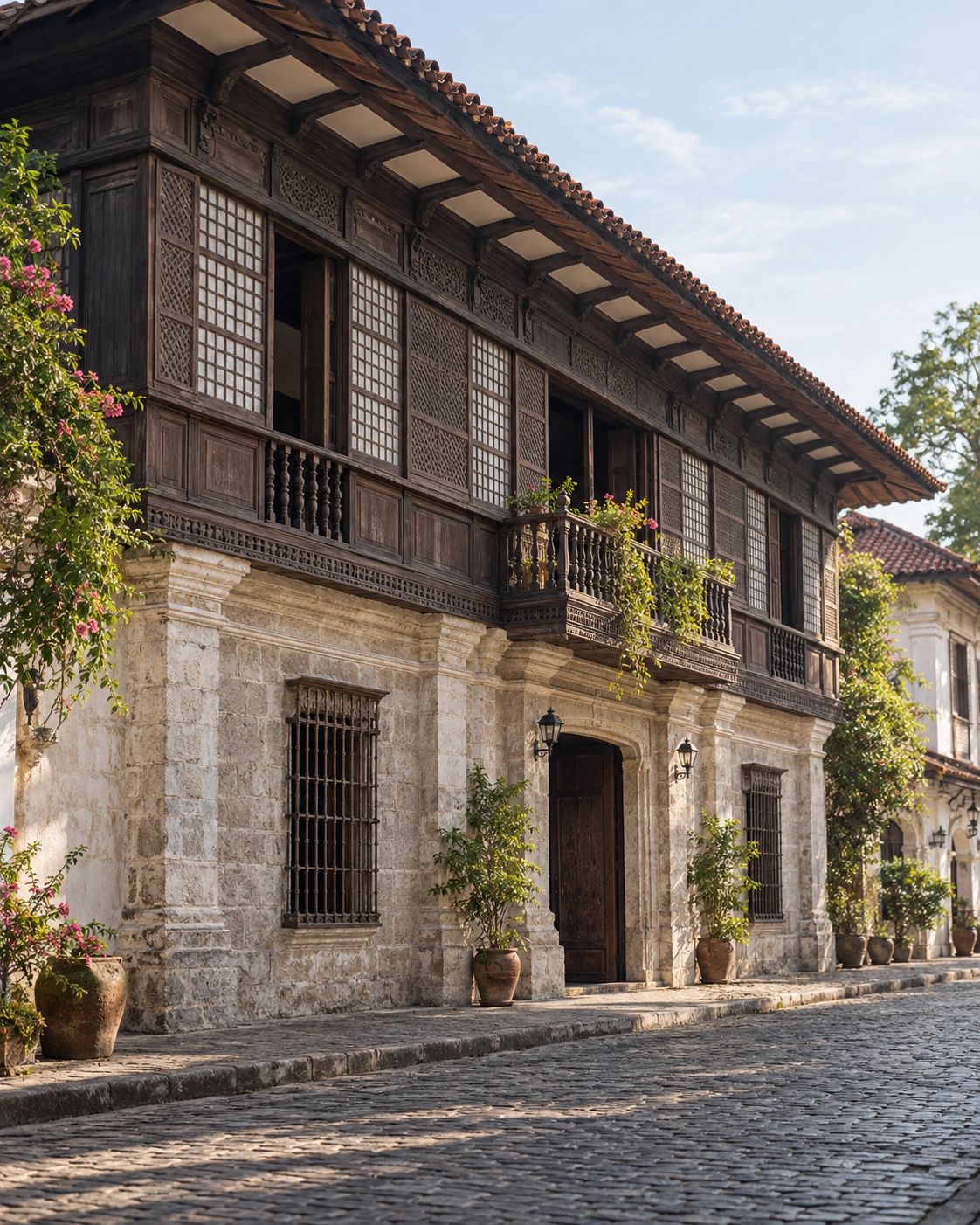
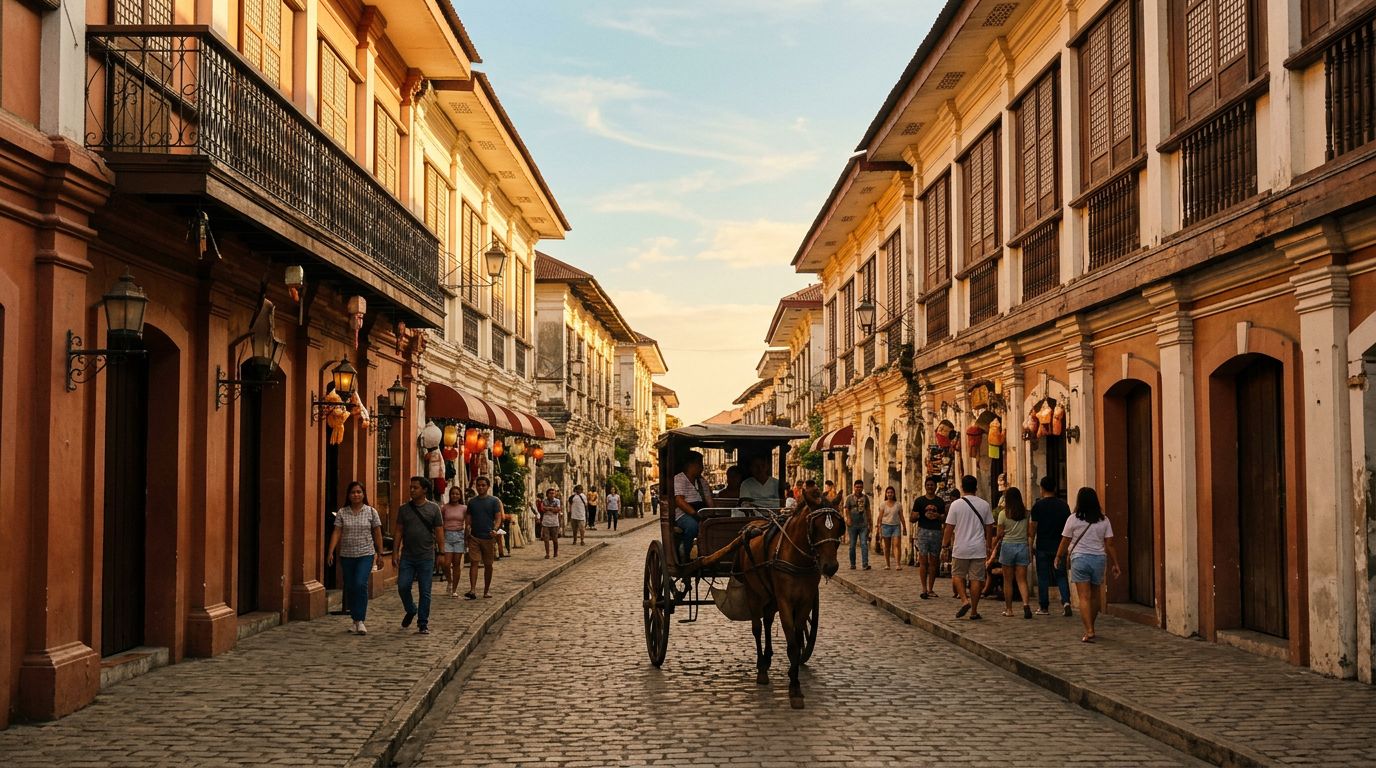
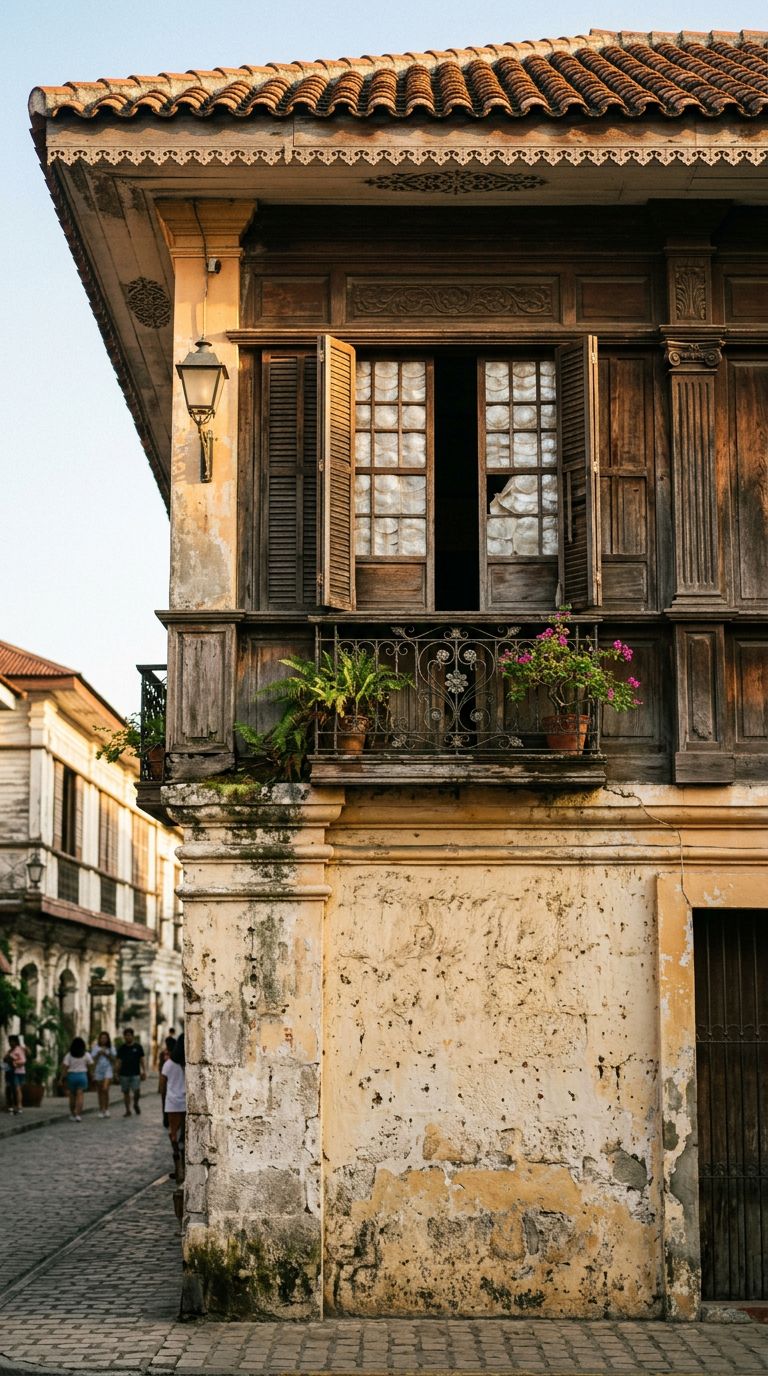
The palace’s long, low form and large, high-pitched roof distinguish it from the neoclassical provincial capitol across the plaza. UNESCO describes it as an urban clerical residence, with offices on the ground floor and spacious living quarters above. Its scale and bahay na bato character connect it to Vigan’s Spanish colonial streetscape. UNESCO nomination dossier
Museo Nueva Segovia
Museo Nueva Segovia was inaugurated at the Archbishop’s Palace in 1994. It grew from an archdiocesan effort to gather and protect church treasures, and houses movable religious artifacts alongside the archdiocesan archives. The collection offers a glimpse of the religious life and material heritage of communities throughout the archdiocese. Research on the archdiocesan heritage commission
The museum is part of the palace’s continuing role as a place of preservation as well as residence and administration. Visitors encounter both the objects kept inside and the historic building itself, whose rooms and architecture are part of the story.
Part of Vigan’s Historic Plaza
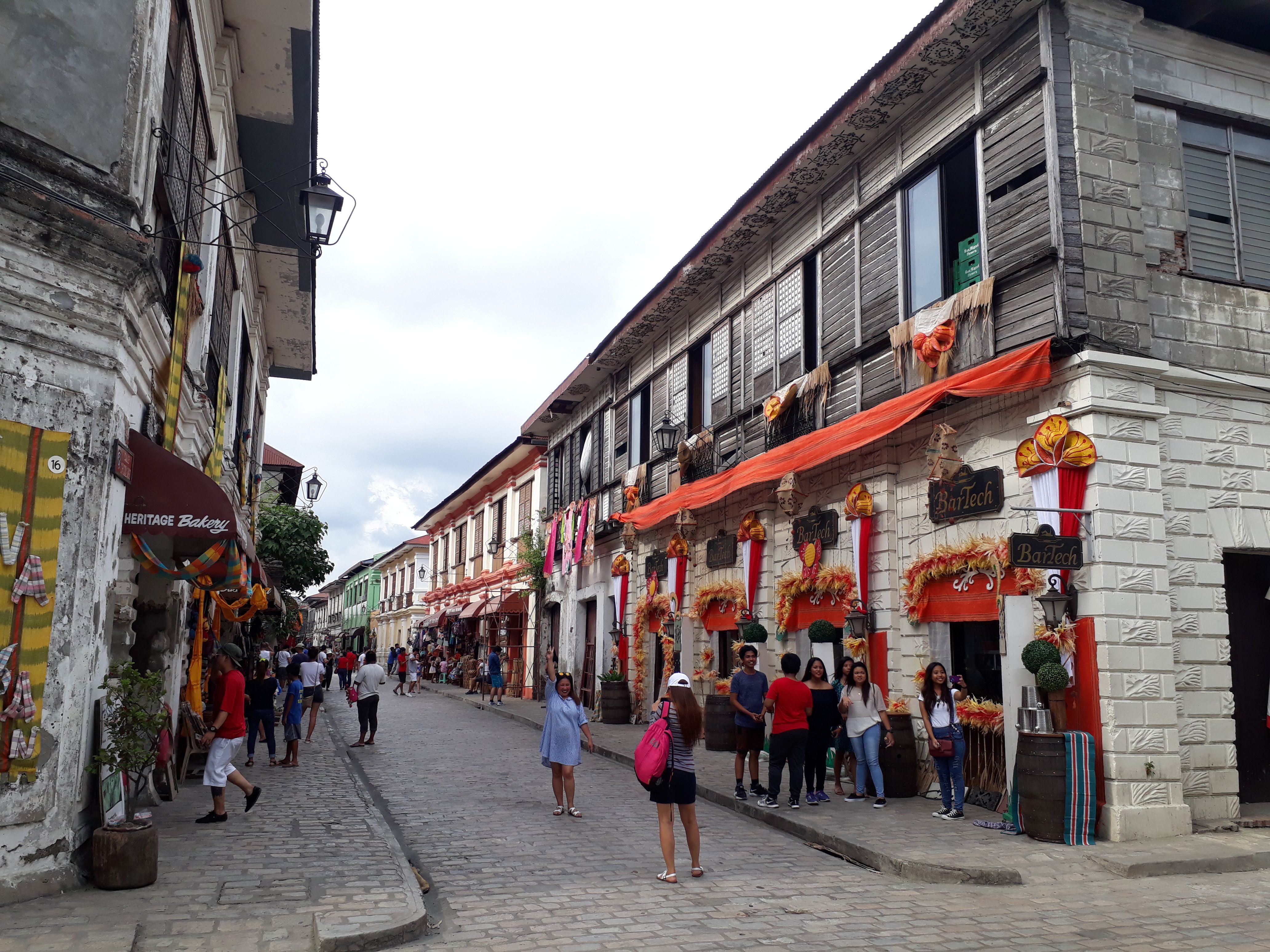
The palace forms part of the historic ensemble around Plaza Salcedo, alongside St. Paul’s Cathedral and other civic and religious buildings. Its NHCP marker, installed in 1949, records the history of the diocese and the building’s changing uses. Together, the palace, museum, and cathedral help tell how Vigan became the religious center of Nueva Segovia. NHCP Registry, UNESCO nomination dossier
Before you go
- Location
- Beside Plaza Salcedo.
- Visiting
- Confirm opening and interior access with the site operator before visiting.
- Accessibility
- Ask about steps, accessible routes and facilities before visiting.
A closer look
Explore more views below. Each caption identifies the image and its credit.